
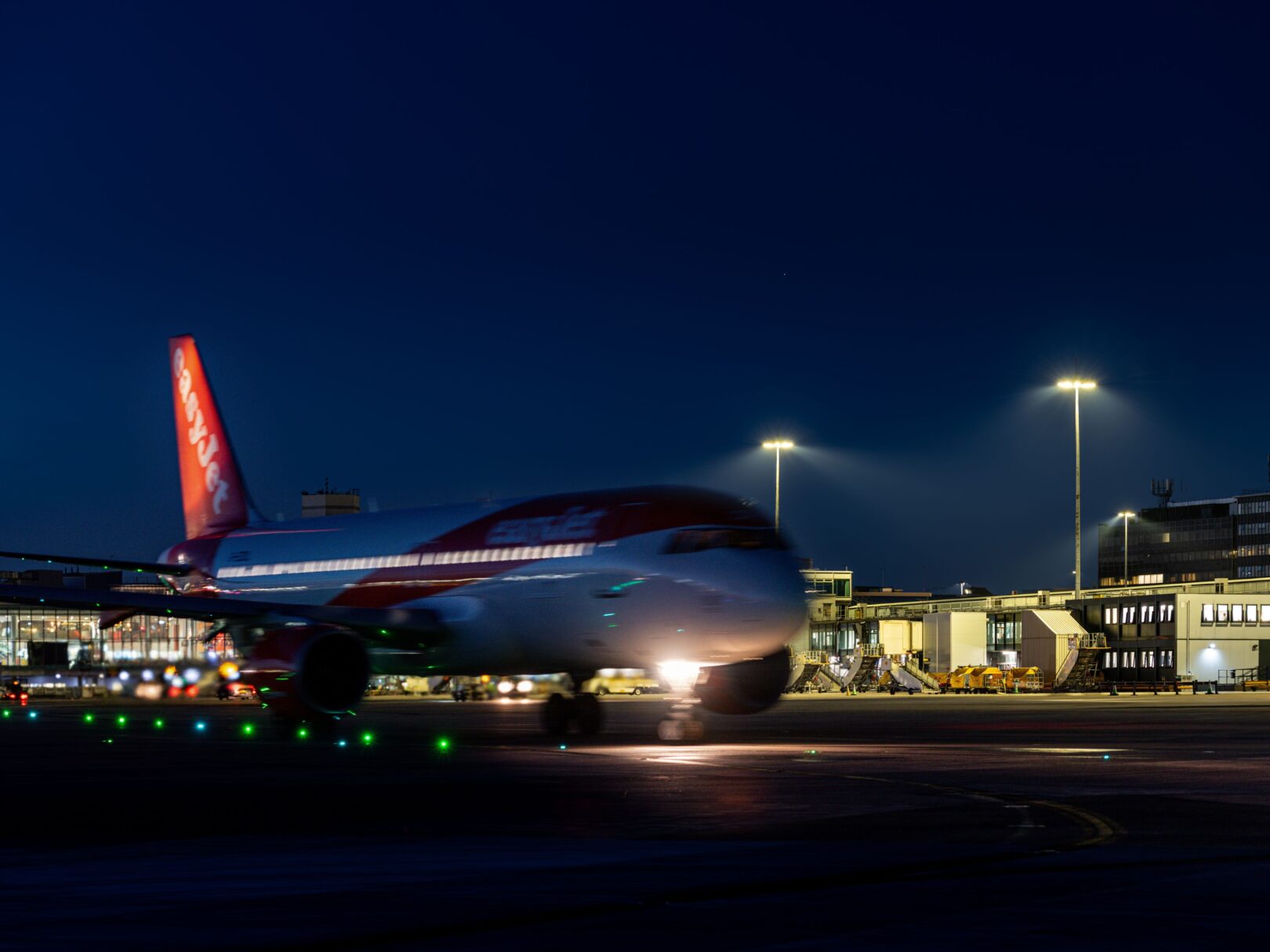
Airport environments place unique demands on lighting infrastructure. Alongside strict operational and safety requirements, airport operators are increasingly looking for solutions that can improve efficiency, simplify maintenance and support the wider passenger experience.
We spoke to Stuart Murray, Contract Services Director Designate at CU Phosco, about the changing priorities shaping modern airport lighting projects.
HOW ARE AIRPORT LIGHTING REQUIREMENTS EVOLVING?
Airport lighting has always been critical for safety and operational visibility, but the demands placed on modern transport hubs are evolving.
Today, airports are expected to do far more than simply meet lighting standards. Energy efficiency, maintainability and passenger experience are becoming increasingly important considerations across both new developments and infrastructure upgrade projects.
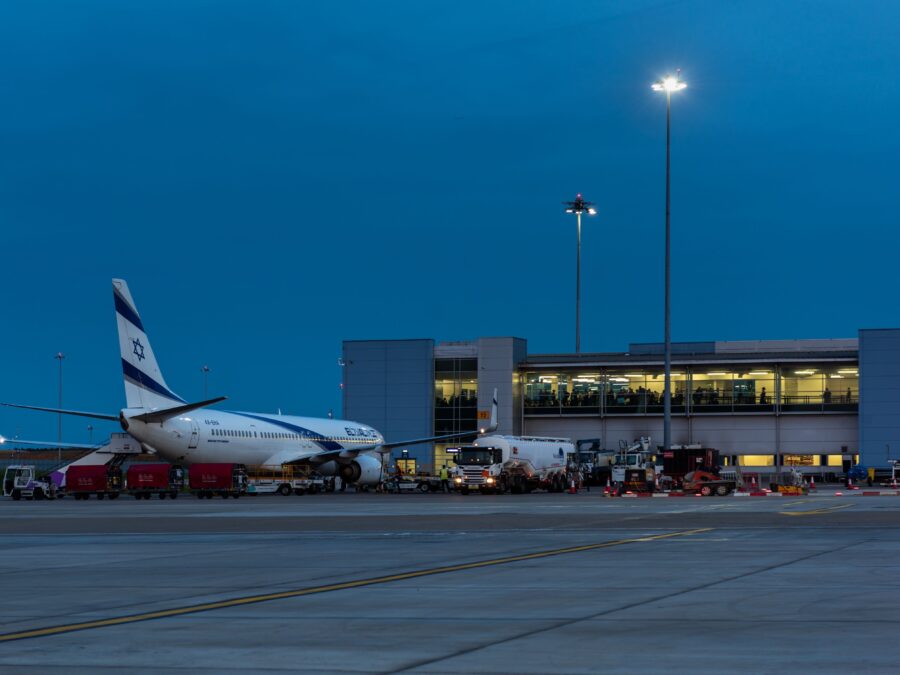
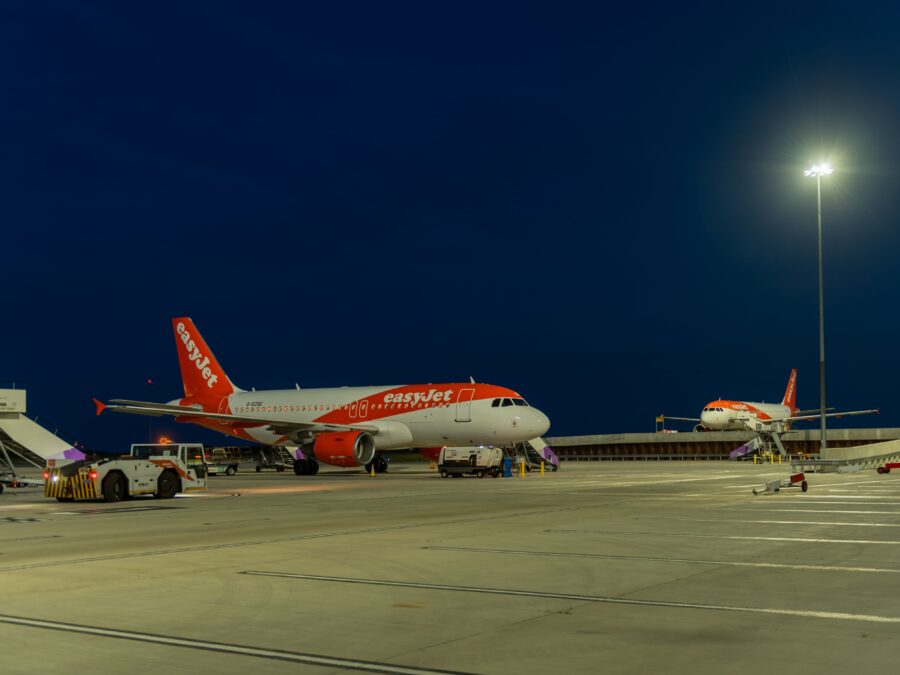
This shift is influencing lighting design across the entire airport environment, from apron areas and service roads through to terminal forecourts and car parks. Lighting must provide consistent visibility in all conditions while also helping create welcoming and intuitive spaces for passengers.
WHY ARE AIRPORT OPERATORS REASSESSING OLDER LIGHTING INSTALLATIONS?
Many airports are now reassessing ageing HID and first-generation LED installations as earlier systems can no longer compete with modern lighting technology.
Advances in optics, thermal management and LED efficacy mean today’s lighting solutions can deliver greater energy savings while improving light quality, uniformity and visual comfort.
In busy operational environments such as airports, lighting performance plays a direct role in safety, security and wayfinding. Improvements in optical control and lighting uniformity are also helping airports reduce wasted light while maintaining the visibility levels required for safe operations.
WHAT ROLE DOES LIGHTING PLAY IN THE PASSENGER EXPERIENCE?
While operational safety remains the primary priority, lighting also contributes significantly to the overall passenger journey.
Areas such as terminal approaches, drop-off zones, car parks and pedestrian routes all benefit from lighting that provides clear visibility and intuitive wayfinding. Good lighting can also help improve passenger confidence, particularly in unfamiliar or busy environments.
As airports continue to modernise, there is growing recognition that lighting infrastructure contributes to both operational functionality and the overall perception of the airport environment.
IN ANY MODERN TRANSPORT INFRASTRUCTURE PROJECT, ENERGY EFFICIENCY IS NOW A KEY CONSIDERATION. HOW IS THIS INFLUENCING AIRPORT LIGHTING PROJECTS SPECIFICALLY?
Energy efficiency is now one of the main drivers behind airport lighting upgrades.
Many airports operate large and complex estates with extensive lighting infrastructure running for long periods each day. Modern LED systems can significantly reduce energy consumption while also improving lighting performance and reducing maintenance requirements.
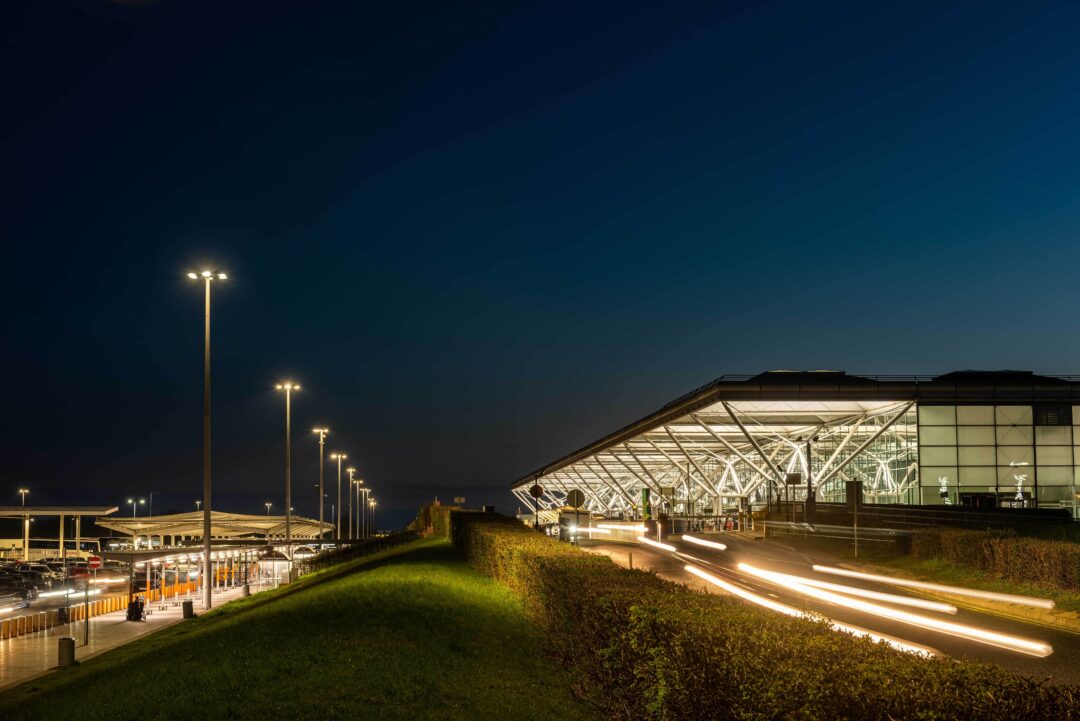
Recent upgrade projects, including our work at Stansted Airport’s Short Stay Car Park, demonstrate this shift in approach. By upgrading the floodlighting system with modern LED technology, the airport achieved a 65% reduction in energy consumption while improving visibility and enhancing safety and security.
Importantly, this was achieved without compromising the lighting levels required for a busy international airport environment. Read the full case study.
WHY IS MAINTAINABILITY BECOMING SUCH AN IMPORTANT CONSIDERATION?
Alongside performance and efficiency, airports are placing greater emphasis on long-term maintainability.
Airport environments are tightly controlled operational spaces where access for maintenance can be disruptive and costly. As a result, there is growing interest in lighting systems that simplify inspection and maintenance procedures while reducing operational disruption.
Modern lighting systems increasingly incorporate central management systems (CMS), allowing operators to monitor performance, manage energy usage and schedule maintenance more effectively across large estates.
There is also increasing interest in specialist high mast systems designed to improve maintenance access. Solutions such as our In-Tension Raise & Lower system allow high mast lighting carriages to be safely lowered to ground level for inspection and maintenance, without disruption.
LOOKING AHEAD, WHAT WILL AIRPORTS EXPECT FROM LIGHTING INFRASTRUCTURE IN THE FUTURE?
As transport hubs continue to modernise, lighting is increasingly expected to do more than illuminate.
Airports are looking for lighting infrastructure that supports operational resilience, sustainability and passenger confidence while remaining adaptable to future requirements. Long-term efficiency, maintainability and flexibility are becoming just as important as lighting performance itself within modern airport environments.