
Street lighting infrastructure is evolving fast. What used to be a single-purpose asset is now becoming a platform for digital services that support safer, cleaner and better-connected places.
With pressure on public space, planning constraints and rising expectations around digital access, the challenge is not simply adopting new technology. It is finding the smartest way to integrate it into busy environments without adding visual clutter or increasing operational burden.
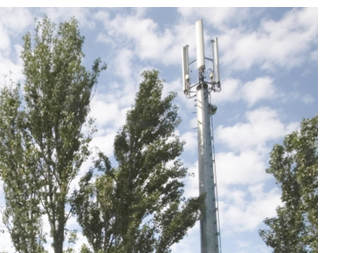
Smart columns, like our very own Connected Urban, are proving to be one of the most effective low-impact approaches to delivering more capability from existing infrastructure.
HOW TO DO MORE WITH LESS
Space is limited, budgets are stretched and expectations around digital access continue to rise. From mobile coverage and EV charging to CCTV, public messaging and sensor-based monitoring, the public realm cannot simply accumulate new standalone structures every time a new service is introduced.
Smart columns make better use of infrastructure that already exists, offering you benefits such as:
• Provide a single mounting point for multiple services
• Position technology at the pedestrian level where it is most needed
• Maintain a familiar and accepted presence in the streetscape
• Point Protect accessibility with a controlled physical footprint
This approach helps local authorities and operators meet service requirements without contributing to street clutter or planning fatigue.
OPPORTUNITIES FOR YOU TO CAPITALISE ON
Treating lighting columns as multi-purpose assets brings wider advantages that extend beyond technology deployment. You can use smart columns to:
• Support digital inclusion through improved network coverage
• Consolidate street furniture into fewer, better-positioned assets
• Create a more coherent and attractive streetscape
• Introduce new services with reduced disruption
In some cases, there is also the potential to establish new commercial models by hosting third party services on existing public assets. When explored carefully and transparently, this can support long-term financial resilience and fund further improvements to the public realm.
ARE THERE ANY RISKS? YOU SAY
With any infrastructure change, there are practical considerations to evaluate. Structural integrity, load capacity, safe access and clarity around future attachments all need to be planned from the start. Retrofitting multiple technologies onto legacy assets without fully understanding load or access requirements, for example, can introduce unnecessary safety or maintenance risk.
Standards and guidance documents play an important role in supporting decision making and ensuring assets are suitable for multi-use. The focus should be on long-term engineering principles that prioritise safety, sustainability and performance, not short-term bolt-ons in response to opportunity.
A SMARTER PUBLIC REALM BEGINS BY MAKING BETTER USE OF THE INFRASTRUCTURE WE ALREADY HAVE
The transition towards multi-functional columns isn’t about adding technology for its own sake, it’s about integrating the services communities rely on while protecting the quality, character and accessibility of our streets.
This topic is explored in greater depth in a recent editorial by Keith Henry, General Manager and Telecoms Lead at CU Phosco Australia, published in Lighting Journal. The piece reflects on the opportunities and considerations for local authorities adopting this approach.
Read the full feature here.
For further insight or to discuss practical next steps, our team can help you assess opportunities, challenges and rollout considerations. Please get in touch.