
As the seasons change, daylight shifts affect not only our daily routines but also how we interact with our surroundings. In the Northern Hemisphere, the transition to shorter days and longer nights is particularly noticeable, and it brings significant implications for street lighting and outdoor environments.
According to a recent YouGov poll, 45% of Britons would prefer to keep the current daylight-saving system, despite its controversial impact on routines. For lighting professionals, the change in clocks is about more than convenience, it directly affects operational planning, safety, and energy usage.
HOW THE CLOCKS CHANGING IMPACTS STREET LIGHTING
Each year, the clocks move forward at 2am on the last Sunday in March for spring/summer daylight saving. Later sunrises and earlier sunsets mean that street lighting must operate for longer periods, bringing several challenges:
- Increased energy use: Longer nights mean lights are on for extended hours. Adjustments to dimming schedules, trimming, and switch-off timings, often controlled through a Central Management System (CMS), may be necessary.
- Spike in maintenance requests: Extended operation can lead to an increase in outages, adding pressure to maintenance teams. Proactive scheduling during quieter periods can reduce disruption and lower emergency call-out costs.
- Safety risks: Inadequate lighting due to outages can compromise safety and security. Ensuring lighting systems are fully operational is essential to preventing incidents.
HOW CU PHOSCO SUPPORTS LIGHTING PROFESSIONALS
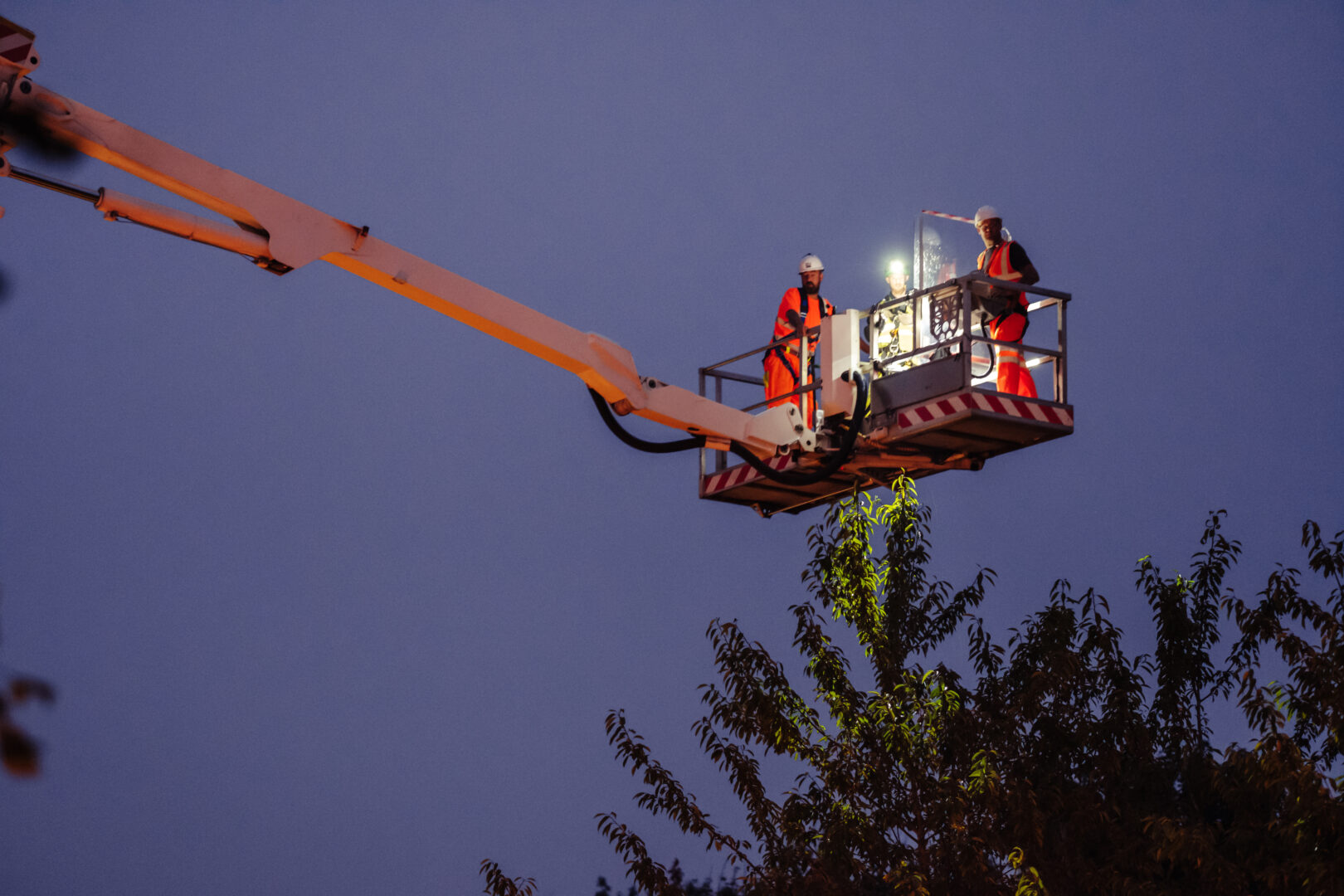
CU Phosco’s Contract Services Team provides specialist guidance and support during the darker months. Stuart Murray, General Manager – Commercial Services Division, explains:
“Our team can advise on statutory and recommended maintenance requirements, help plan maintenance effectively, and provide guidance on reducing long-term costs while maximising the longevity and reliability of lighting systems.”
Long-term maintenance agreements from CU Phosco ensure consistent, professional support, carried out by highly trained operatives capable of handling a range of maintenance tasks efficiently.
MAINTAINING RELIABLE AND EFFICIENT LIGHTING
Effective maintenance ensures:
- Consistent, reliable lighting levels
- Reduced downtime due to outages
- Extended operational life of systems
- Optimised performance and energy efficiency
Proactive maintenance means that as the clocks change and nights grow longer, spaces can continue to benefit from safe, efficient, and dependable lighting.
KEY TAKEAWAYS
- Plan maintenance strategically during quieter periods to reduce disruption.
- Review dimming and switch-off schedules in line with longer nights.
- Consider long-term maintenance agreements for consistent support and expert guidance.
- Ensure operational safety and energy efficiency remain a priority throughout the darker months.
By taking a proactive approach, supported by experts like the CU Phosco Contract Services Team, lighting systems can remain reliable, efficient, and safe all year round.
For guidance or to explore CU Phosco’s maintenance services, get in touch.