
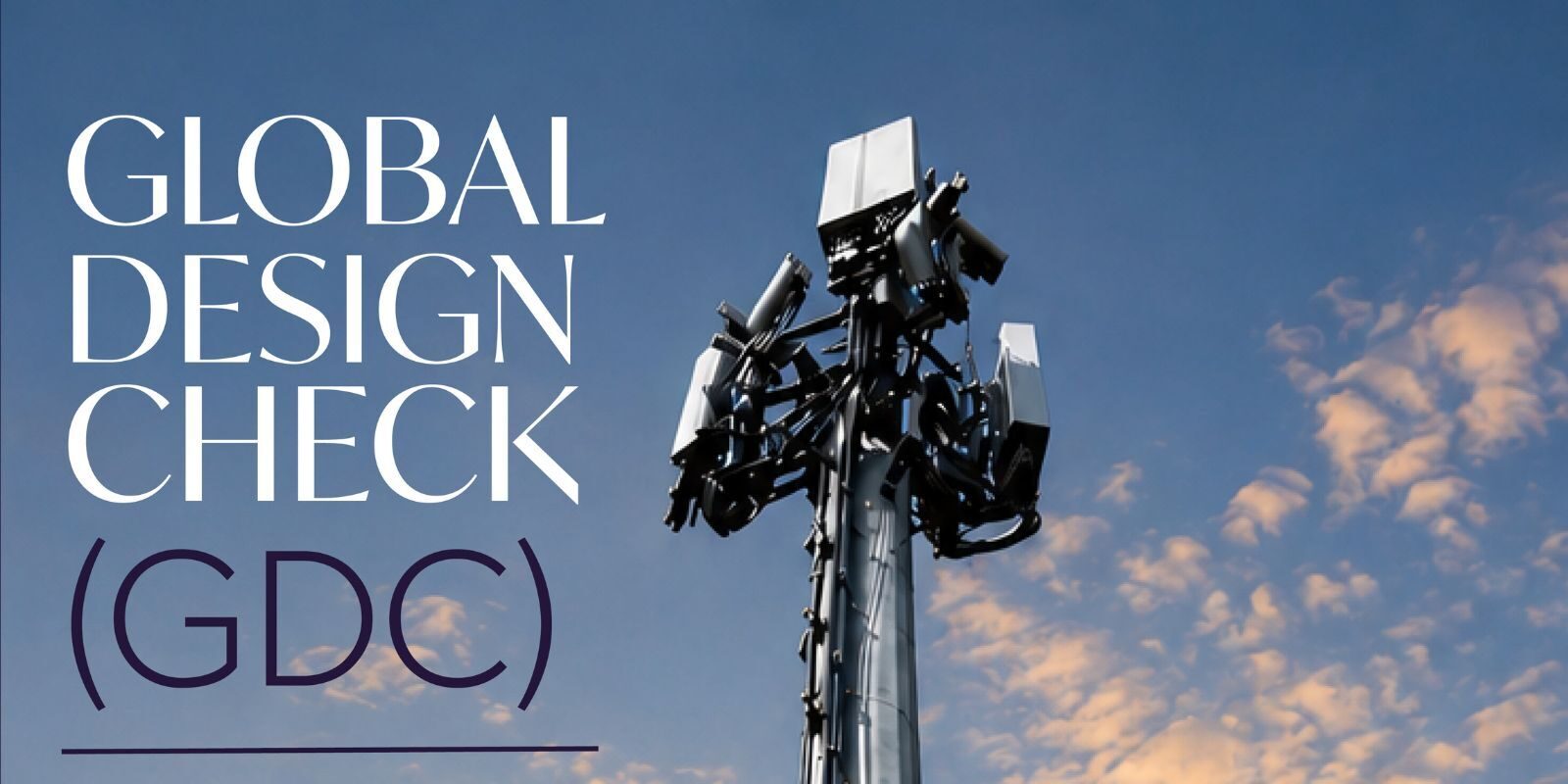
WHAT IS A GLOBAL DESIGN CHECK AND WHEN DO YOU NEED ONE?
Telecommunications networks rarely stand still.
As networks evolve, existing sites may need to accommodate new antennas, replacement equipment, additional technologies or equipment from multiple Mobile Network Operators (MNOs). While these changes are essential to improving coverage and capacity, they can also change the structural demands placed on the infrastructure supporting them.
Before those changes are made, it is important to understand whether the existing structure can safely accommodate them.
This is where a Global Design Check (GDC) comes in.
WHAT IS A GLOBAL DESIGN CHECK?
A Global Design Check is an independent structural engineering assessment used to verify the structural integrity and capacity of telecommunications infrastructure.
Put simply, it answers an important question:
Can this structure safely support the proposed new equipment and loading?
A GDC assesses the existing structure alongside any changes to determine whether it continues to comply with relevant structural standards, operator requirements and safety margins.
At CU Phosco, our Global Design Check service can be applied across a wide range of telecommunications infrastructure, including monopoles, lattice towers, rooftop frames, columns, equipment platforms and headframes.
WHY MIGHT A GDC BE REQUIRED?
A telecommunications structure may have been designed and installed many years ago, when the equipment requirements of the network looked very different.
Since then, equipment may have been replaced, added or repositioned. Operators may need to implement new technologies or increase capacity. Infrastructure may also be shared between multiple operators, placing additional demands on the existing structure.
Typical scenarios requiring structural verification include:
* 4G and 5G network upgrades
* Antenna replacements or additions
* Installation of new telecommunications equipment
* Changes to equipment configuration or loading
* Asset-sharing and co-location arrangements
* Network expansion projects
* Verification of third-party designs
Even where an equipment change appears relatively minor, its effect on the overall structure needs to be understood before work proceeds.
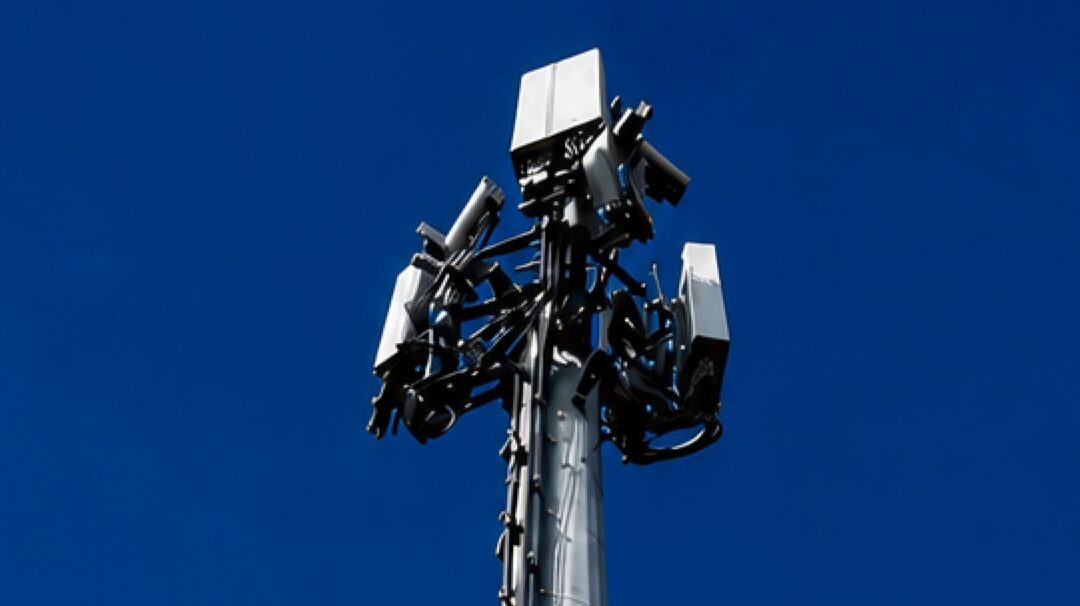
WHAT DOES A GLOBAL DESIGN CHECK ASSESS?
Structural capacity is about more than simply considering the load of the equipment being added.
A GDC considers the structure as a complete engineering system and assesses the factors that could affect its ability to safely accommodate the proposed configuration.
Depending on the asset and project requirements, the assessment can include:
Existing structural capacity
Reviewing the structure to establish its ability to withstand the loads placed upon it.
Proposed telecommunications loading
Assessing the additional or revised equipment and the effect this will have on the structure.
Environmental loading
Considering the environmental forces the structure and equipment must be capable of withstanding.
Foundation integrity
Reviewing whether the supporting foundation remains suitable for the proposed structural demands.
Compliance requirements
Verifying the structure and proposed configuration against relevant standards, operator requirements and required safety margins.
Together, these checks provide a clear engineering assessment of whether the proposed changes can proceed safely.
WHAT HAPPENS IF A STRUCTURE DOESN'T PASS?
A GDC isn't simply a pass-or-fail exercise. Where an assessment identifies that an existing asset cannot safely accommodate the proposed loading in its current configuration, the findings can help inform the next stage of the project.
This may mean modifications are required before additional equipment can be installed, or that an alternative infrastructure solution needs to be considered.
Identifying these requirements before installation can help reduce structural risk, prevent asset overloading and avoid issues being discovered later in the project.
Supporting more efficient network upgrades
As operators look to increase coverage and capacity, making effective use of existing infrastructure is becoming increasingly important.
But greater utilisation also means understanding the limits of those assets.
Independent structural verification gives MNOs, tower owners, contractors and consultants confidence that proposed changes have been properly assessed before installation takes place. It can also support governance and approval processes by providing clear engineering evidence on which project decisions can be based.
For asset-sharing projects in particular, this becomes increasingly important. Adding equipment from another operator may create a more efficient use of infrastructure, but the cumulative structural impact must still be understood.
Telecommunications engineering experience matters
A structural assessment needs to consider not only the structure itself, but also the telecommunications environment in which it operates.
CU Phosco has more than 40 years of telecommunications engineering experience, combining structural verification expertise with practical knowledge of designing, manufacturing and delivering telecommunications infrastructure.
Our Global Design Check service supports MNOs, tower owners, contractors and consultants across the UK and international markets, providing independent engineering verification across a wide range of telecoms structures.
As networks continue to evolve, the demands placed on existing infrastructure will evolve with them. Understanding whether those assets remain capable of safely supporting the next upgrade is an important part of planning for the connectivity requirements ahead.
Planning an equipment upgrade, asset-sharing arrangement or network expansion? Contact Us.
FAQs
What is a Global Design Check?
A Global Design Check is an independent structural engineering assessment that verifies whether telecommunications infrastructure, such as a monopole, lattice tower or rooftop frame, can safely support proposed new equipment and loading before installation.
When do you need a Global Design Check?
A GDC is typically needed for 4G and 5G upgrades, antenna additions or replacements, new equipment installation, changes to loading, and asset-sharing or co-location arrangements. Even minor equipment changes can affect overall structural capacity.
What does a Global Design Check assess?
A GDC reviews existing structural capacity, proposed telecommunications loading, environmental loading, foundation integrity and compliance against relevant standards, operator requirements and safety margins. It treats the structure as a complete engineering system.
What happens if a structure does not pass a Global Design Check?
A GDC is not simply pass or fail. Where a structure cannot safely carry the proposed loading, the findings inform the next steps, such as structural modifications or an alternative solution. Identifying this early reduces risk and avoids problems later in the project.